

Call us now
08045477641

 Send Inquiry
filter press
Price 126000 INR/ Piece
MOQ : 1 , , Piece
filter press Specification
- Power Type
- Electric
- Use Type
- Industrial
- Weight
- 1200 kg
- Color
- Blue
- Production Output
- Highly Efficient
- Product Capacity
- 4000 LPH
- Length
- 2000 mm
- Machine Type
- Filter Press
- Voltage
- 440 V
- Height
- 1650 mm
- Feature
- Corrosion Resistant, Low Maintenance
- Running Speed
- Variable
- Processing Type
- Automatic
- Phase
- Three Phase
- Application
- Solid-Liquid Separation, Sludge Dewatering
- Width
- 1100 mm
- Number of Plates
- 20
- Inlet Size
- 2 inches
- Filter Cloth Material
- Polyester
- Filtration Area
- 15 m2
- Hydraulic System
- Fully Automatic
- Mounting Type
- Floor Mounted
- Plate Material
- Polypropylene
- Temperature Range
- Up to 80C
- Suitable For
- Effluent Treatment, Chemical, Pharma, Food & Beverage Industries
- Noise Level
- Low
- Frame Material
- Mild Steel
- Working Pressure
- Up to 16 bar
- Operation
- PLC Controlled
- Discharge Type
- Batch Discharge
filter press Trade Information
- Minimum Order Quantity
- 1 , , Piece
- Supply Ability
- 1 , , Piece Per Day
- Delivery Time
- 1 Week
About filter press
Filter Press: SS 304: Basket type filter complete with precoat tank and feed pump. Capacity 2000lph
FAQs:
Q: What is a filter press?
A: Filter press is a piece of equipment used in many industries for solid-liquid separation. It consists of a series of plates with filter cloth and a hydraulic cylinder that compresses the plates together to create chambers. The feed is pumped into the chambers and the solid particles are trapped on the filter cloth, forming a cake, while the liquid is forced out through the cloth and collected in a separate container.
Q: What are the benefits of using a filter press?
A: Filter presses offer several benefits, including high solids capture rates, efficient dewatering, and the ability to handle a wide range of materials. They are also relatively easy to operate and maintain, and can be customized to meet specific application requirements.
Q: What types of industries use filter presses?
A: Filter presses are used in a wide range of industries, including mining, chemical, pharmaceutical, food and beverage, wastewater treatment, and more. They are used for applications such as sludge dewatering, wastewater treatment, and clarification of liquids.
Q:How does a filter press work?
A: filter press works by using pressure to separate solids and liquids. The feed is pumped into the chambers formed by the plates and the solids are trapped on the filter cloth, forming a cake. The hydraulic cylinder is then used to compress the plates together, which increases the pressure and forces the liquid out through the cloth and into a collection container.
Engineered for Efficiency & Durability
Constructed with premium polypropylene plates and a mild steel frame, this filter press is engineered to withstand challenging industrial environments. The corrosion-resistant build and fully automatic hydraulic system ensure longevity and smooth operation, even during demanding tasks such as effluent treatment or sludge dewatering.
Advanced Automation & Control
With its PLC-controlled operations and automatic hydraulic system, this filter press offers reliable and consistent performance. Operators can monitor and manage processes with ease, optimizing workflow and reducing manual intervention for increased safety and productivity.
Versatile Industrial Applications
This advanced filter press is suitable for various industries, including chemical, pharmaceutical, food & beverage, and water treatment plants. Its ability to handle temperatures up to 80C and pressures up to 16 bar makes it an excellent choice for a wide range of solid-liquid separation processes.
FAQs of filter press:
Q: How does the fully automatic hydraulic system of this filter press operate?
A: The fully automatic hydraulic system uses PLC control to manage the opening, closing, and pressure application of the plates. This automation ensures consistent filtering, safer operation, and reduces the need for manual intervention, enhancing productivity and precision.Q: What benefits does the polypropylene plate material provide?
A: Polypropylene plates are chemically resistant, lightweight, and durable, making them suitable for harsh industrial environments. Their non-reactive nature ensures purity in processes, particularly in pharmaceuticals and food industries.Q: When is this filter press typically used in industrial applications?
A: This filter press is commonly used during solid-liquid separation processes, particularly for effluent treatment, sludge dewatering, and clarifying liquids in chemical, pharma, and food & beverage industries.Q: Where can this filter press be installed and operated?
A: Designed for floor mounting, the filter press is suited to industrial environments such as factories, chemical plants, wastewater treatment facilities, and food & beverage processing units.Q: What is the process for batch discharge in this filter press?
A: Once the filtration cycle completes, the press discharges the filtered solids (cake) in batches. Operators initiate the batch release via the PLC system, ensuring controlled and efficient removal of filtered material.Q: How can users benefit from the PLC-controlled and low-maintenance design?
A: The PLC controls automate operation, reduce errors, and improve safety. The low-maintenance design, featuring corrosion-resistant parts, decreases downtime and total operating costs, ensuring higher long-term value.Q: Is the filter press suitable for high-pressure and temperature operations?
A: Yes, it can safely operate at pressures up to 16 bar and temperatures as high as 80C, supporting a variety of demanding industrial filtration applications.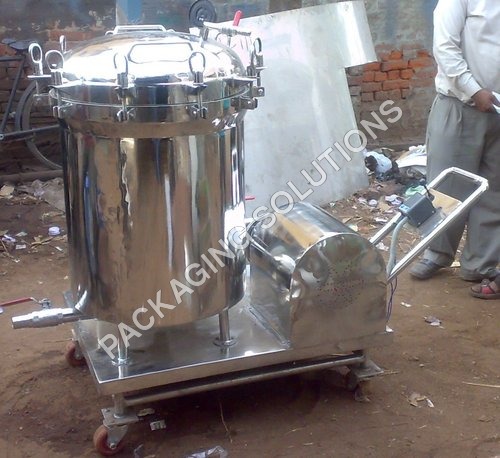
Tell us about your requirement

Price:
Quantity
Select Unit
- 50
- 100
- 200
- 250
- 500
- 1000+
Additional detail
Mobile number
Email

More Products in Juice & Pulp Extraction Plant Category
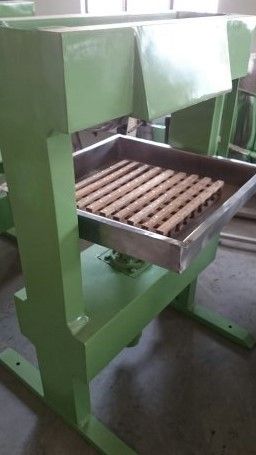
Hydraulic Juice Press
Price 135000 INR / Piece
Minimum Order Quantity : 1 Unit
Power Type : Electric Hydraulic
Production Output : Varies with input
Color : Green
Weight : 320 kg
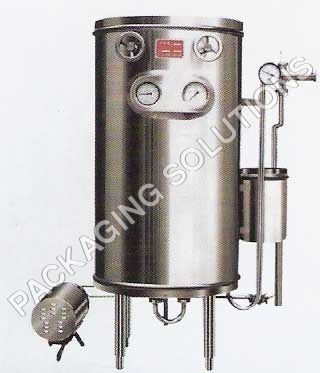
UHT Pasteurizer
Price 396000 INR / Piece
Minimum Order Quantity : 1 , , Piece
Power Type : Electric
Production Output : Continuous
Color : Silver
Weight : 830 kg
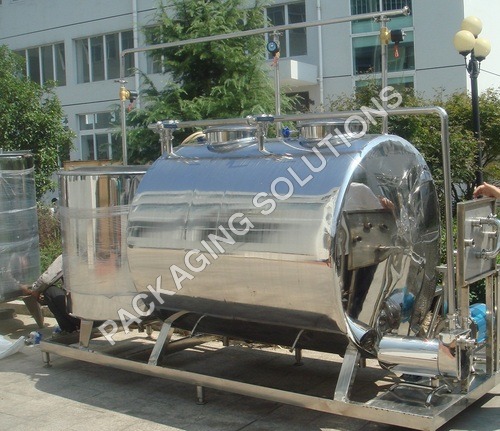
CIP SYSTEM
Price 396000 INR / Piece
Minimum Order Quantity : 1 , , Piece
Power Type : Electric
Production Output : 5005000 LPH
Color : Silver
Weight : 1200 kg
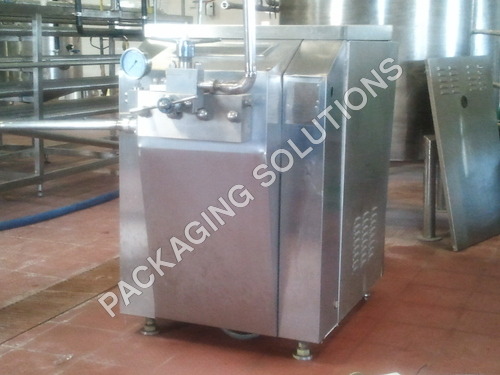
Homogenizer Machine
Price 324000 INR / Piece
Minimum Order Quantity : 1 , , Piece
Power Type : Electric
Production Output : Milk, Juice, Food Emulsions
Color : Silver
Weight : 350 kg

WOXN PACKAGING SOLUTION PRIVATE LIMITED
An ISO 9001:2008 Certified Company
An ISO 9001:2008 Certified Company
12/46, Sunrise Industrial Area, Site-Ii, Loni Road, Mohan Nagar,Ghaziabad - 201007, Uttar Pradesh, India
Phone :08045477641
 Send Inquiry
- Ketchup Processing Plant
- Mayonnaise Manufacturing Equipment
- Juice Processing Plant
- Tutti Frutti Plant
- Sauces Jam Processing Plant
- Juice & Pulp Extraction Plant
- Fruits and Vegetable Processing Plant
- Sterilization Equipment
- Tomato Processing Plant
- Cooking Kettles
- Canning Equipment
- Bottling Equipment
- Pickle Making Equipment
- Industrial Dryers
 Send Inquiry
 Send SMS
 Call Me Free
WOXN PACKAGING SOLUTION PRIVATE LIMITED
All Rights Reserved.(Terms of Use)
Developed and Managed by Infocom Network Private Limited.
Developed and Managed by Infocom Network Private Limited.

